
English (Original)
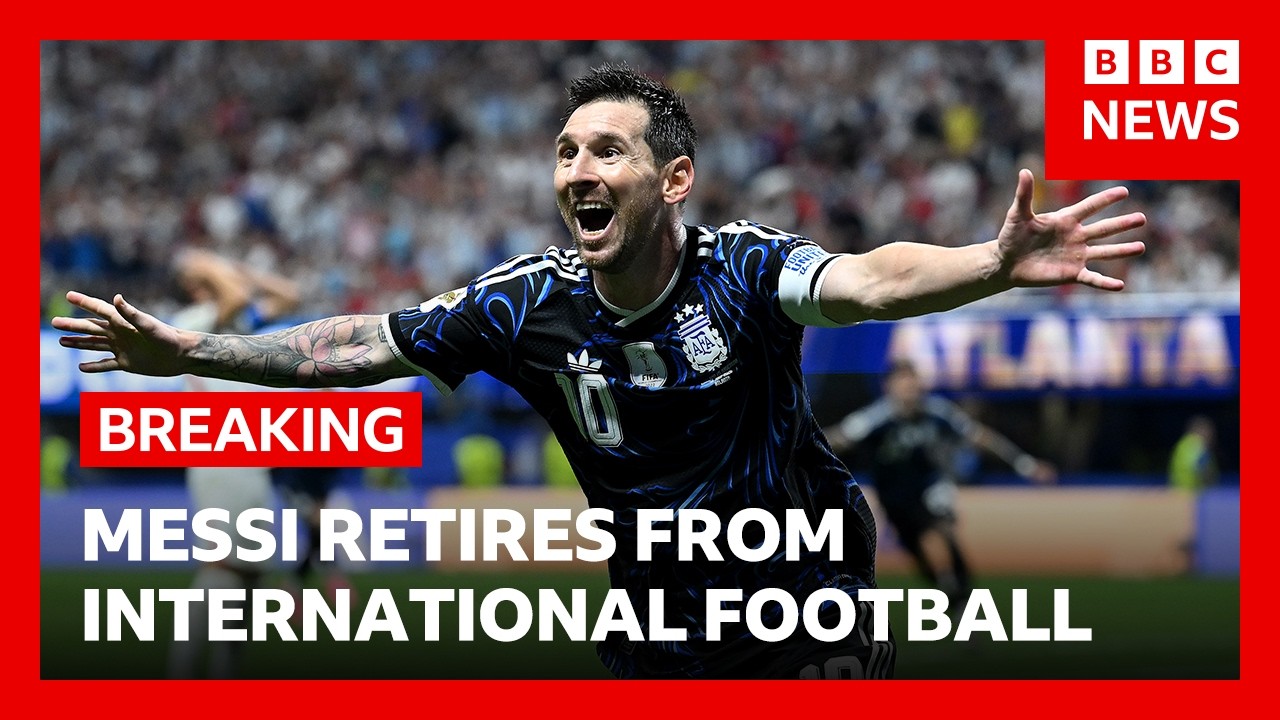
Lionel Messi, widely regarded as one of the greatest footballers of all time, delivered a shocking announcement in 2016 that reverberated across the globe. Following Argentina's devastating loss to Chile in the Copa América Centenario final, he publicly declared his retirement from international football. This emotional decision came after a heartbreaking penalty shootout defeat, marking his fourth major final loss with the national team in just nine years. Messi, visibly distraught and fighting back tears, expressed his deep frustration and disappointment, stating emphatically that he had tried his absolute best but felt it 'wasn't for him' to win a trophy with Argentina.
For over a decade, the immense weight of a nation's expectations had rested heavily on Messi's shoulders. Despite his unparalleled success and numerous accolades with Spanish club Barcelona, where he won countless titles and individual awards, a major trophy with the senior Argentine national team had always agonizingly eluded him. He had bravely led his country to the World Cup final in 2014 and three Copa América finals (in 2007, 2015, and 2016), only to suffer crushing defeats each time. This consistent pattern of disappointment, especially after missing a crucial penalty in the recent shootout, appeared to be the final, unbearable straw for the superstar.
The news of his retirement sent immediate shockwaves across the entire football world and deeply saddened millions of fans, not only in Argentina but also globally. Supporters quickly launched passionate campaigns, both online and offline, desperately pleading with their beloved captain to reconsider his momentous decision. From trending social media hashtags like #NoTeVayasLeo (Don't Go, Leo) to large public demonstrations in Buenos Aires, people passionately urged Messi not to abandon his national team. Even prominent figures, including Argentina's then-president Mauricio Macri and legendary footballer Diego Maradona, publicly called for him to stay, emphasizing his irreplaceable value and unique talent for the country.
Messi's poignant announcement vividly highlighted the immense emotional toll that the highest level of international football can inflict upon even the most celebrated and resilient athletes. The relentless pressure to finally deliver a major international title, combined with the intense scrutiny and often harsh criticism from both media and passionate fans, had clearly become an overwhelming burden. His heartfelt words reflected a profound sense of personal failure and deep exhaustion, despite his consistently incredible individual performances and goal-scoring records throughout his illustrious career. Many observers and fellow athletes expressed understanding for his pain, acknowledging the unfair and often impossible expectations placed upon him.
While his initial retirement declaration was undoubtedly a moment of profound sadness and uncertainty for many, it also ignited a broader, more significant discussion about the very nature of sporting heroism, national identity, and the definition of success. Messi's legacy as an iconic, generational player was already firmly secured through his club achievements, but the absence of a major international trophy had always remained a contentious point for some critics. His decision, though later reversed, powerfully underscored the unique psychological and emotional challenges faced by athletes who carry the hopes and dreams of an entire country on their shoulders.