
English (Original)
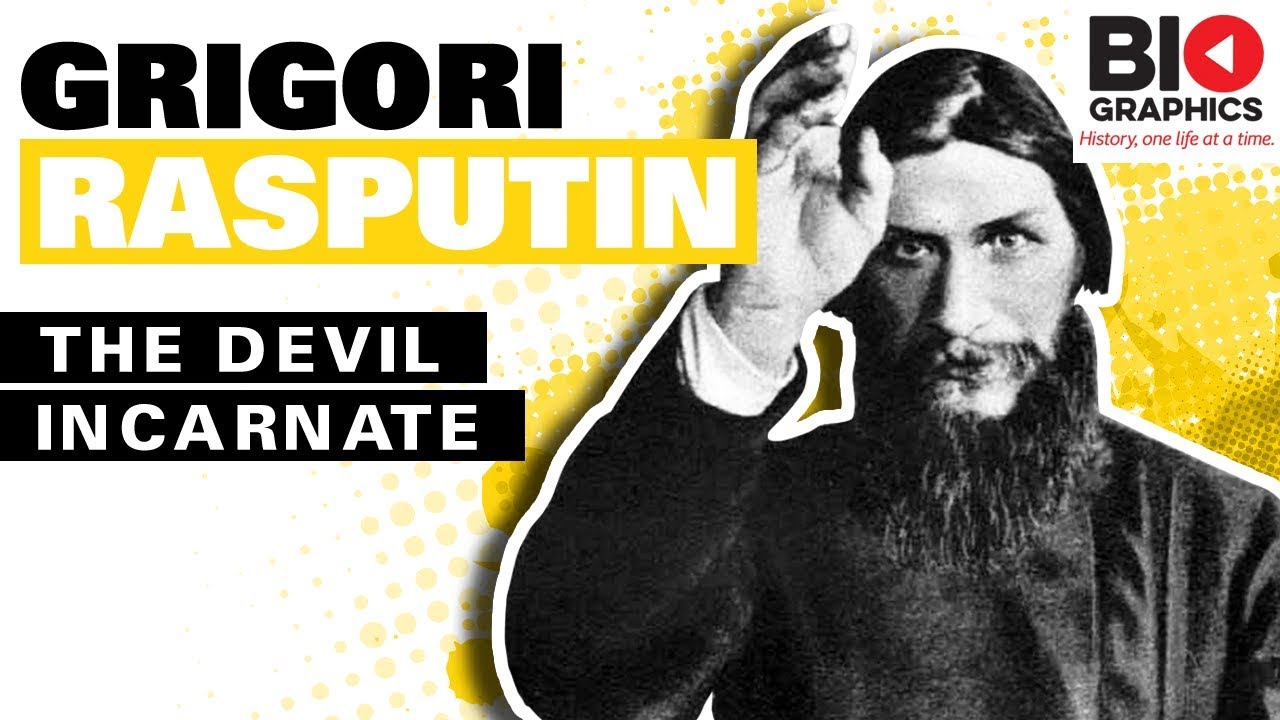
Grigori Rasputin, a name synonymous with mystery and controversy, emerged from humble peasant origins in Siberia to become one of the most influential and infamous figures in Russian history. Born in 1869 in the small village of Pokrovskoye, Rasputin's early life was largely unremarkable. He received little formal education and spent his youth working on the family farm. However, as he grew older, he developed a reputation as a mystic and a spiritual healer, claiming to possess divine powers and a direct connection to God. His piercing gaze and charismatic personality drew followers, and stories of his miraculous abilities began to spread across Russia, eventually reaching the highest echelons of society.
Rasputin's journey to the imperial court began in 1905 when he was introduced to Tsar Nicholas II and Empress Alexandra Feodorovna. The imperial couple was desperate for a cure for their only son and heir, Alexei, who suffered from hemophilia, a severe blood-clotting disorder. Traditional doctors had failed to alleviate Alexei's suffering, and the Empress, deeply religious and superstitious, was open to alternative remedies. Rasputin's ability to seemingly calm Alexei's bleeding episodes, often through prayer and hypnotic suggestion, quickly earned him the Empress's unwavering trust and devotion. He became an indispensable presence in the royal household, much to the dismay of many courtiers and politicians.
As Rasputin's influence over the imperial family grew, so did public concern and resentment. He was often seen frequenting taverns and engaging in scandalous behavior, which contradicted his image as a holy man. Rumors of his sexual exploits and his manipulation of the Empress spread like wildfire, further damaging the already fragile reputation of the Romanov dynasty. During World War I, when Tsar Nicholas II took personal command of the army at the front, Rasputin's power reached its peak. He began to advise Empress Alexandra on political appointments and military strategies, often leading to disastrous decisions and widespread corruption within the government.
Many members of the Russian aristocracy and government viewed Rasputin as a dangerous charlatan whose presence threatened the stability of the empire. They believed he was undermining the Tsar's authority and pushing Russia towards revolution. Attempts to remove him from the court were repeatedly thwarted by the Empress, who saw any criticism of Rasputin as an attack on her family and her faith. The situation became increasingly desperate as Russia faced military defeats, economic hardship, and growing social unrest, all while Rasputin's perceived control over the royal family intensified.
The escalating crisis eventually led to a desperate conspiracy to assassinate Rasputin. A group of conservative nobles, including Prince Felix Yusupov, a wealthy aristocrat married to the Tsar's niece, and Grand Duke Dmitri Pavlovich, a cousin of the Tsar, decided that Rasputin's death was the only way to save the monarchy. On the night of December 29, 1916, they lured Rasputin to Yusupov's palace in St. Petersburg, promising him a party. The conspirators initially attempted to poison him with cyanide-laced cakes and wine, but to their astonishment, Rasputin seemed unaffected.
Frustrated and terrified by his apparent resilience, Yusupov eventually shot Rasputin multiple times. Believing him dead, they wrapped his body in a carpet and threw it into the icy Neva River. However, an autopsy later suggested that Rasputin might have still been alive when he entered the water, possibly drowning rather than dying from the gunshot wounds. His death, intended to stabilize the monarchy, ultimately failed to prevent the impending revolution. Just a few months later, in February 1917, the Romanov dynasty was overthrown, marking the end of an era and the beginning of a new, tumultuous chapter in Russian history, forever linking Rasputin's name to the downfall of an empire.