
English (Original)
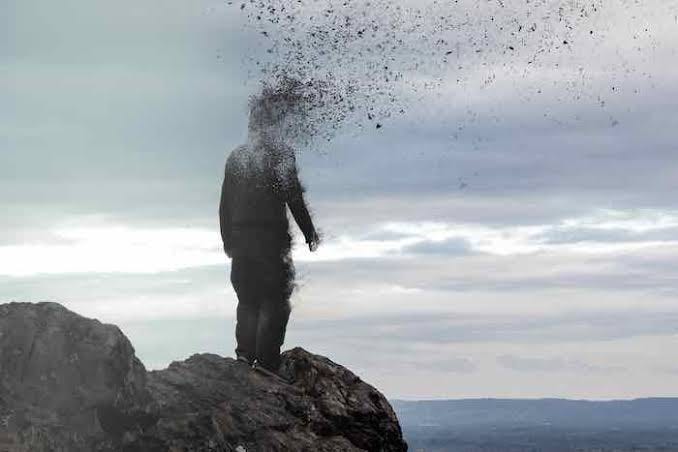
Languages are an important part of human culture because they allow people to communicate, share knowledge, and express their history and traditions. However, thousands of languages are spoken by relatively small communities, and many of them are slowly disappearing. A language can be considered endangered when fewer people speak it and younger generations stop learning it. If this process continues, the language may eventually disappear completely when its last speakers die. There are several reasons why languages disappear. One major reason is migration. When people move from small villages or remote areas to large cities, they often need to use a more widely spoken language at school, at work, and in daily life. As a result, they may use their traditional language less frequently. Parents may also decide not to teach the language to their children because they believe that speaking a major language will provide better educational and economic opportunities. Another important factor is the influence of governments and education systems. In some countries, schools have traditionally used only one official language, while local languages were ignored or even discouraged.
Consequently, children sometimes grow up understanding their family language but becoming more comfortable with the national language. Modern technology can also contribute to language loss because global communication often depends on a small number of widely used languages. However, the disappearance of a language means more than the loss of a communication system. Languages contain stories, traditional knowledge, local expressions, and unique ways of describing the world. Some languages, for example, have detailed words for local plants, animals, weather conditions, or social relationships that may not exist in other languages. For this reason, linguists and local communities are working to protect endangered languages by recording them, creating educational materials, and encouraging young people to learn them. Digital technology has also made it possible to create online dictionaries, videos, and language courses. Although not every endangered language can be saved, these efforts can slow the process of language loss. Protecting languages is therefore not simply about preserving words; it is also about preserving the cultural memories and knowledge of the communities that speak them.