
English (Original)
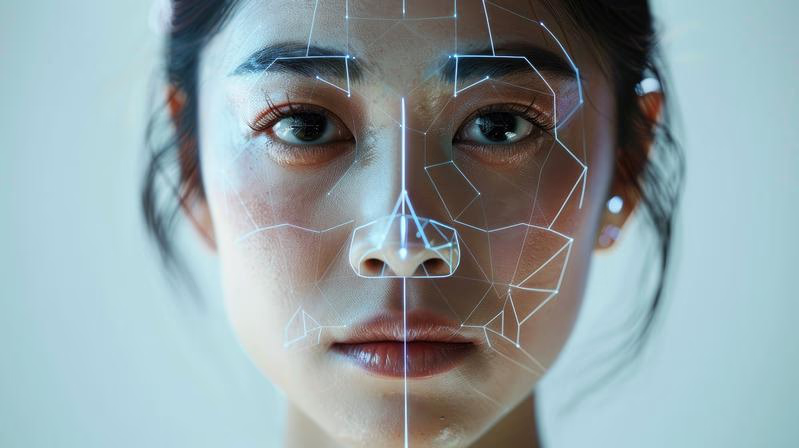
For centuries, "seeing is believing" served as a reliable guide, and a photograph or video recording was considered the gold standard of evidence. Deepfakes, however, have begun to undermine that confidence. Created by machine-learning systems that can convincingly swap a person's face or imitate a voice, these synthetic videos can now be produced within minutes by anyone with a laptop, whereas the same result once demanded a team of skilled technicians. Although the technology is a double-edged sword, capable of reviving historical figures in classrooms or dubbing films into dozens of languages, its darker applications have opened a can of worms. Fabricated speeches can mislead voters, fraudulent clips can ruin reputations overnight, and scammers can mimic a relative's voice to drain a bank account.
Experts warn that the cases we hear about are merely the tip of the iceberg. Perhaps even more troubling is the so-called "liar's dividend": once people learn that any recording might be fake, a guilty person can simply dismiss genuine evidence as a forgery, and the truth ends up fighting an uphill battle. Researchers are racing to develop detection tools that spot unnatural blinking or inconsistent lighting, yet every breakthrough is soon followed by a smarter forgery, turning the struggle into a never-ending game of cat and mouse. Legislators and technology companies are also taking action through watermarking and stricter laws, but progress remains slow. Consequently, many specialists insist that technology alone cannot solve the problem. Citizens must learn to take online content with a grain of salt, check the source, and verify before sharing a sensational clip. In an age of deceptive appearances, trust must rest on transparent institutions and responsible habits rather than on what the eyes alone can see.