
Is the Arctic route good for container ships?
C1 Graded ~7 dk okuma 892 kelime

Is the Arctic route good for container ships?

Sütunlar:
Yazı:
Uygulamada Aç
🇬🇧

English (Original)

Original Text

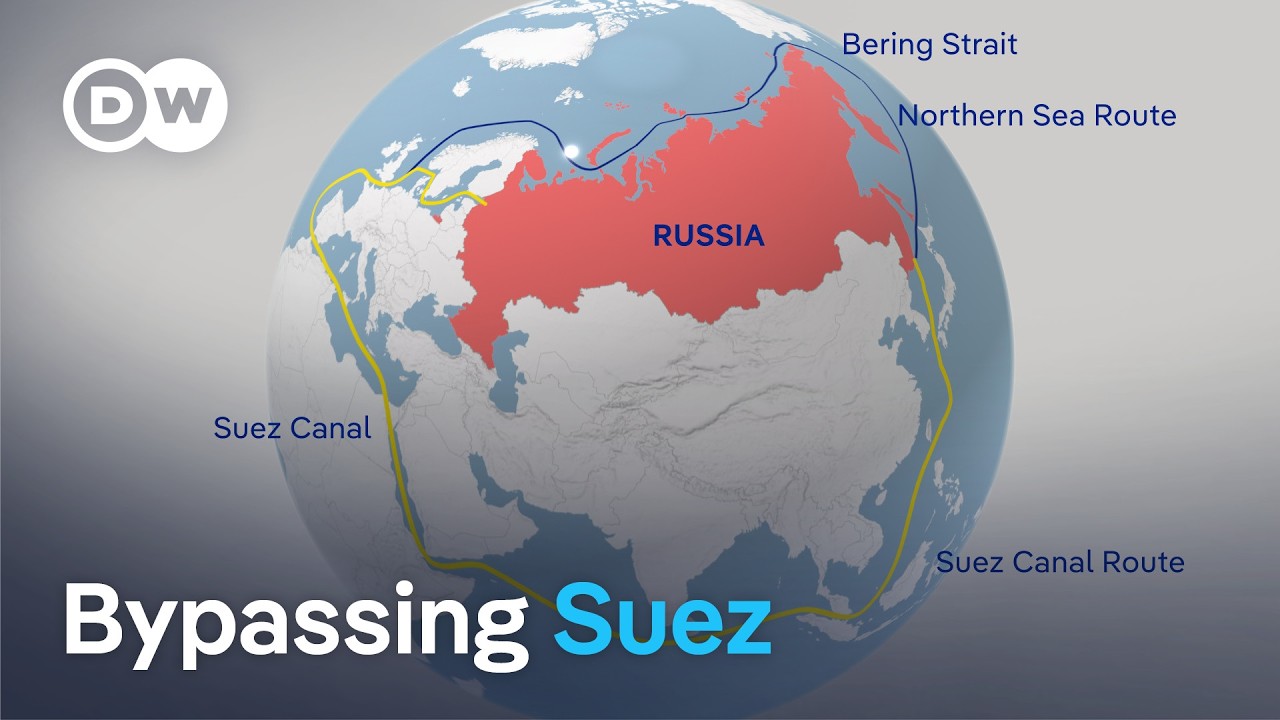
The Arctic, long considered an impenetrable frontier for commercial shipping, is rapidly transforming into a pivotal arena for global trade and geopolitical maneuvering. This dramatic shift, primarily driven by the accelerating pace of climate change and the consequent melting of polar ice, has opened up previously inaccessible maritime routes. Among these, the Northern Sea Route (NSR), stretching along Russia's Arctic coastline, stands out as a potential game-changer. Its allure lies in the promise of significantly shorter transit times between Asia and Europe compared to traditional southerly passages like the Suez Canal, offering tantalizing prospects for reduced fuel consumption, lower operational costs, and expedited delivery schedules. The implications of this emerging pathway are profound, touching upon economic paradigms, environmental stewardship, and the delicate balance of international relations in a region increasingly viewed as strategically vital.

In a landmark development underscoring this evolving reality, South Korea recently dispatched its first container ship, the 'Venta Maersk', through the Northern Sea Route. This pioneering voyage, undertaken by a vessel specifically designed with ice-strengthened capabilities, marked a significant milestone, signaling a proactive embrace of the Arctic's commercial potential by a major global economy. For South Korea, a nation heavily reliant on international trade and maritime logistics, diversifying its shipping routes is not merely an economic convenience but a strategic imperative. The traditional routes, particularly those traversing volatile regions or prone to congestion, present inherent vulnerabilities that the NSR, despite its own unique challenges, could potentially mitigate.

The economic rationale behind utilizing the NSR is compelling. A journey from Busan, South Korea, to Rotterdam, Netherlands, via the Suez Canal typically spans over 21,000 kilometers and takes approximately 34 days. In stark contrast, the Northern Sea Route slashes this distance by nearly 40%, reducing it to around 12,800 kilometers and potentially cutting transit times by 10 to 15 days. Such a reduction translates directly into substantial savings on fuel, crew wages, and insurance premiums, offering a competitive edge to shipping companies and, by extension, to the economies they serve. Furthermore, bypassing geopolitical chokepoints like the Suez Canal or the Strait of Malacca could enhance supply chain resilience, a critical factor in an increasingly interconnected yet unpredictable global economy.

However, the NSR is not without its formidable challenges and complex geopolitical dimensions. Russia, whose extensive Arctic coastline encompasses the majority of the route, asserts significant control over its navigation, requiring permits, pilotage, and often the use of its icebreaker fleet. This de facto sovereignty over a crucial international waterway grants Moscow considerable leverage, positioning it as a gatekeeper to a potentially lucrative trade artery. While Russia frames its role as one of ensuring safety and environmental protection, critics often view it through the lens of strategic influence and economic gain. The development of infrastructure along the route, including ports, search and rescue facilities, and communication networks, is largely spearheaded by Russia, further solidifying its dominant position.

Beyond the economic and geopolitical considerations, the environmental ramifications of increased Arctic shipping are a source of profound concern. The very phenomenon enabling the NSR's viability – climate change – also renders the region exceptionally fragile. Increased vessel traffic poses risks of oil spills, which are notoriously difficult to clean up in icy conditions, and introduces noise pollution that can disrupt marine ecosystems, particularly for sensitive species like whales and seals. The emission of black carbon from ships, settling on ice and snow, accelerates melting, creating a dangerous feedback loop that exacerbates global warming. Balancing the economic benefits with the imperative of environmental stewardship in such a pristine and vulnerable environment presents a monumental ethical and practical dilemma for the international community.

The operational complexities of navigating the NSR also demand specialized capabilities. Ships must be ice-strengthened, and crews require specific training for Arctic conditions, including navigating through ice, coping with extreme cold, and understanding the unique challenges of remote operations. The unpredictable nature of Arctic weather, the variability of ice conditions, and the limited availability of detailed charting and communication infrastructure add layers of risk. While satellite technology and advanced forecasting are improving, the Arctic remains a harsh and unforgiving environment, necessitating robust contingency planning and international cooperation for search and rescue operations.

South Korea's venture into the NSR is part of a broader strategic vision to diversify its economic partnerships and secure its future trade arteries. As a nation with a highly developed shipbuilding industry and a strong commitment to technological innovation, it is well-positioned to contribute to and benefit from the Arctic's development. This move also reflects a growing trend among Asian economies, including China and Japan, to explore and invest in Arctic shipping, viewing it as a potential 'New Silk Road' that could reshape global logistics and trade flows, reducing reliance on established, often congested, routes.

Looking ahead, the future of the Northern Sea Route is a confluence of opportunity and profound responsibility. While the economic incentives are clear, the long-term viability and sustainability of the route hinge on a delicate balance between commercial exploitation and environmental protection. International collaboration, robust regulatory frameworks, and a shared commitment to scientific research are paramount to mitigating the risks and ensuring that the Arctic's opening does not come at an irreversible ecological cost. South Korea's pioneering journey serves as a potent symbol of this new era, challenging the global community to collectively chart a course that is both economically astute and environmentally conscientious.

🇹🇷

Türkçe (Çeviri)

Türkçe Çeviri

Ticari gemicilik için uzun süre aşılmaz bir sınır olarak kabul edilen Arktik, hızla küresel ticaret ve jeopolitik manevralar için merkezi bir arenaya dönüşüyor. Başta iklim değişikliğinin hızlanan temposu ve bunun sonucunda kutup buzullarının erimesiyle tetiklenen bu dramatik değişim, daha önce erişilemeyen deniz yollarını açtı. Bunlar arasında, Rusya'nın Arktik kıyı şeridi boyunca uzanan Kuzey Deniz Yolu (NSR), potansiyel bir oyun değiştirici olarak öne çıkıyor. Cazibesi, Asya ile Avrupa arasında Süveyz Kanalı gibi geleneksel güney geçişlerine kıyasla önemli ölçüde daha kısa transit süreleri vaat etmesinde yatıyor; bu da yakıt tüketiminde azalma, daha düşük işletme maliyetleri ve hızlandırılmış teslimat programları için cazip beklentiler sunuyor. Bu yeni ortaya çıkan geçiş yolunun etkileri derin olup, ekonomik paradigmaları, çevresel sorumluluğu ve stratejik olarak hayati öneme sahip olarak giderek daha fazla görülen bir bölgedeki uluslararası ilişkilerin hassas dengesini etkiliyor.

Bu gelişen gerçeğin altını çizen dönüm noktası niteliğindeki bir gelişmeyle, Güney Kore kısa süre önce ilk konteyner gemisi 'Venta Maersk'i Kuzey Deniz Yolu üzerinden gönderdi. Buz takviyeli yeteneklerle özel olarak tasarlanmış bir gemi tarafından gerçekleştirilen bu öncü yolculuk, önemli bir kilometre taşına işaret ederek, büyük bir küresel ekonominin Arktik'in ticari potansiyelini proaktif bir şekilde benimsediğini gösterdi. Uluslararası ticarete ve deniz lojistiğine büyük ölçüde bağımlı bir ülke olan Güney Kore için, nakliye rotalarını çeşitlendirmek sadece ekonomik bir kolaylık değil, aynı zamanda stratejik bir zorunluluktur. Geleneksel rotalar, özellikle değişken bölgelerden geçen veya tıkanıklığa eğilimli olanlar, NSR'nin kendine özgü zorluklarına rağmen potansiyel olarak hafifletebileceği doğal güvenlik açıklarını barındırmaktadır.

NSR'yi kullanmanın ardındaki ekonomik mantık oldukça ikna edicidir. Güney Kore'nin Busan kentinden Hollanda'nın Rotterdam kentine Süveyş Kanalı üzerinden yapılan bir yolculuk tipik olarak 21.000 kilometreden fazla sürer ve yaklaşık 34 gün sürer. Buna karşılık, Kuzey Deniz Yolu bu mesafeyi neredeyse %40 oranında kısaltarak yaklaşık 12.800 kilometreye düşürür ve transit sürelerini 10 ila 15 gün azaltabilir. Böyle bir azalma, yakıt, mürettebat ücretleri ve sigorta primlerinde doğrudan önemli tasarruflar anlamına gelir ve nakliye şirketlerine ve dolayısıyla hizmet verdikleri ekonomilere rekabet avantajı sunar. Ayrıca, Süveyş Kanalı veya Malakka Boğazı gibi jeopolitik darboğazları atlamak, giderek daha bağlantılı ancak öngörülemeyen küresel bir ekonomide kritik bir faktör olan tedarik zinciri direncini artırabilir.

Ancak, NSR'nin zorlu zorlukları ve karmaşık jeopolitik boyutları da vardır. Geniş Arktik kıyı şeridi rotanın çoğunu kapsayan Rusya, navigasyonu üzerinde önemli bir kontrol iddia etmekte, izinler, kılavuzluk ve genellikle buz kırıcı filosunun kullanılmasını talep etmektedir. Kritik bir uluslararası su yolu üzerindeki bu fiili egemenlik, Moskova'ya önemli bir kaldıraç sağlamakta ve onu potansiyel olarak kazançlı bir ticaret damarının kapı bekçisi konumuna getirmektedir. Rusya rolünü güvenlik ve çevresel koruma sağlama olarak çerçevelese de, eleştirmenler bunu genellikle stratejik etki ve ekonomik kazanç merceğinden görmektedir. Limanlar, arama kurtarma tesisleri ve iletişim ağları dahil olmak üzere rota boyunca altyapının geliştirilmesi büyük ölçüde Rusya tarafından yürütülmekte ve bu da onun baskın konumunu daha da sağlamlaştırmaktadır.

Ekonomik ve jeopolitik değerlendirmelerin ötesinde, artan Arktik gemiciliğinin çevresel sonuçları derin bir endişe kaynağıdır. NSR'nin uygulanabilirliğini sağlayan olgunun kendisi – iklim değişikliği – bölgeyi son derece kırılgan hale getirmektedir. Artan gemi trafiği, buzlu koşullarda temizlenmesi son derece zor olan petrol sızıntısı riskleri taşır ve özellikle balinalar ve foklar gibi hassas türler için deniz ekosistemlerini bozabilecek gürültü kirliliği yaratır. Gemilerden yayılan ve buz ve kar üzerine çöken siyah karbon, erimeyi hızlandırarak küresel ısınmayı şiddetlendiren tehlikeli bir geri besleme döngüsü oluşturur. Böylesine bozulmamış ve savunmasız bir ortamda ekonomik faydaları çevresel sorumluluk zorunluluğuyla dengelemek, uluslararası toplum için anıtsal bir etik ve pratik ikilem sunmaktadır.

NSR'de seyir yapmanın operasyonel karmaşıklıkları da özel yetenekler gerektirir. Gemilerin buz takviyeli olması ve mürettebatın buzda seyir, aşırı soğukla başa çıkma ve uzak operasyonların benzersiz zorluklarını anlama dahil olmak üzere Arktik koşulları için özel eğitim alması gerekir. Arktik hava koşullarının öngörülemez doğası, buz koşullarının değişkenliği ve ayrıntılı haritalama ve iletişim altyapısının sınırlı mevcudiyeti risk katmanları ekler. Uydu teknolojisi ve gelişmiş tahminler iyileşse de, Arktik sert ve affetmeyen bir ortam olmaya devam etmekte, sağlam acil durum planlaması ve arama kurtarma operasyonları için uluslararası işbirliği gerektirmektedir.

Güney Kore'nin NSR'ye girişimi, ekonomik ortaklıklarını çeşitlendirme ve gelecekteki ticaret damarlarını güvence altına alma yönündeki daha geniş stratejik vizyonunun bir parçasıdır. Yüksek düzeyde gelişmiş bir gemi inşa endüstrisine ve teknolojik yeniliğe güçlü bir bağlılığa sahip bir ülke olarak, Arktik'in gelişimine katkıda bulunmak ve bundan faydalanmak için iyi bir konumdadır. Bu hareket aynı zamanda Çin ve Japonya dahil olmak üzere Asya ekonomileri arasında Arktik gemiciliğini keşfetme ve yatırım yapma yönündeki artan bir eğilimi yansıtmaktadır; bu, küresel lojistik ve ticaret akışlarını yeniden şekillendirebilecek, yerleşik, genellikle sıkışık rotalara olan bağımlılığı azaltabilecek potansiyel bir 'Yeni İpek Yolu' olarak görülmektedir.

İleriye bakıldığında, Kuzey Deniz Yolu'nun geleceği, fırsat ve derin sorumluluğun birleşimidir. Ekonomik teşvikler açık olsa da, rotanın uzun vadeli uygulanabilirliği ve sürdürülebilirliği, ticari sömürü ile çevresel koruma arasındaki hassas dengeye bağlıdır. Riskleri azaltmak ve Arktik'in açılmasının geri döndürülemez bir ekolojik maliyetle gelmemesini sağlamak için uluslararası işbirliği, sağlam düzenleyici çerçeveler ve bilimsel araştırmaya ortak bir bağlılık hayati önem taşımaktadır. Güney Kore'nin öncü yolculuğu, bu yeni dönemin güçlü bir sembolü olarak hizmet etmekte, küresel toplumu hem ekonomik açıdan akıllı hem de çevresel açıdan vicdanlı bir rota çizmeye topluca davet etmektedir.

Önemli Kelimeler & Deyimler

Bu okuma parçasında geçen C1 seviyesindeki kritik kelimeler, deyimler ve pratik kullanımları:

18 İfade
impenetrable frontier C1
aşılmaz sınır
a boundary or area that is impossible to pass through or enter.
pivotal arena C1
merkezi arena
a crucial or central stage for important events or activities.
geopolitical maneuvering C1
jeopolitik manevralar
strategic actions or policies taken by countries to influence international relations and power dynamics, often related to geography.
consequent melting C1
sonuç olarak erime
the melting that occurs as a direct result or outcome of a preceding event or condition.
tantalizing prospects C1
cazip beklentiler
appealing or tempting possibilities that are just out of reach or difficult to achieve.
expedited delivery schedules C1
hızlandırılmış teslimat programları
timetables for delivery that have been made faster or more efficient.
economic paradigms C1
ekonomik paradigmalar
fundamental models or frameworks that shape economic thought and practice.
environmental stewardship C1
çevresel sorumluluk
the responsible use and protection of the natural environment through conservation and sustainable practices.
strategic imperative C1
stratejik zorunluluk
a crucial and urgent requirement for achieving a long-term strategic goal.
mitigate C1
hafifletmek
to make something less severe, serious, or painful.
compelling rationale C1
ikna edici mantık
a strong and convincing reason or set of reasons for a particular action or belief.
geopolitical chokepoints C1
jeopolitik darboğazlar
narrow passages or areas of land or sea that are strategically important because they can be easily blocked or controlled, affecting trade or military movement.
de facto sovereignty C1
fiili egemenlik
control or authority over a territory or people that is exercised in practice, even if not officially recognized by law.
lucrative trade artery C1
kazançlı ticaret damarı
a highly profitable and essential route or channel for commerce.
environmental ramifications C1
çevresel sonuçlar
the far-reaching and often negative consequences or effects on the environment.
exacerbates C1
şiddetlendirir
makes a problem, bad situation, or negative feeling worse.
contingency planning C1
acil durum planlaması
the process of creating plans to deal with possible future events or emergencies.
confluence of opportunity C1
fırsatların birleşimi
a coming together or merging of various favorable circumstances or chances.